
Silicon Shield: Role of Semiconductors in Modern Warfare
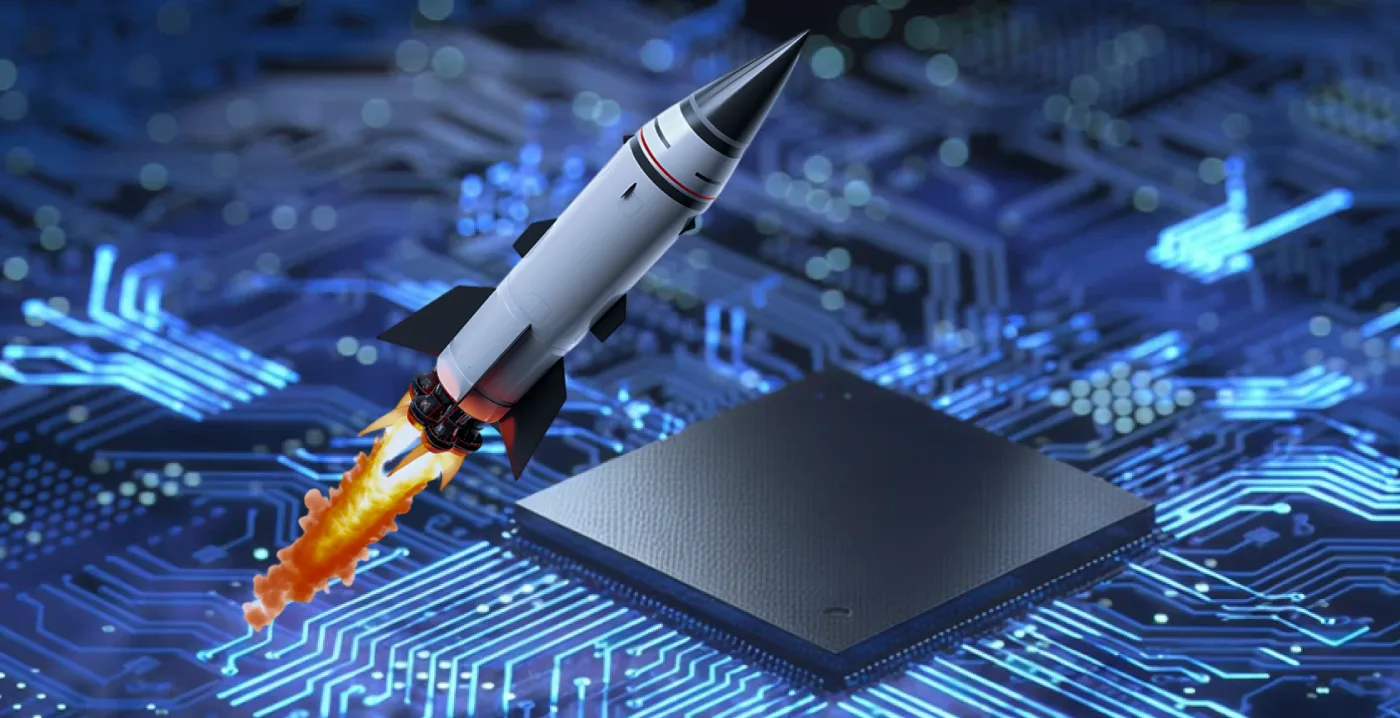
War has always been part of human history, and true global peace still seems far away. While modern wars may look intense on TV screens, modern conflicts generally cause less destruction than earlier wars.
For example, in February 1945, during the bombing of Dresden, Germany, Allied planes dropped unguided bombs aimed at disrupting supply lines. However, the attack triggered a firestorm that killed about 25,000 people and destroyed most of the city, even though it wasn’t a major military target.
In contrast, recent conflicts around the world have used far more advanced weapons but resulted in fewer casualties. As military technology evolved from gunpowder to tanks to nuclear weapons, wars became shorter, though still destructive. World War-2 remains the deadliest, with an estimated 70–80 million lives lost.
Today, militaries fight most battles remotely using advanced weapons that strike deep into enemy territory while keeping their own forces out of harm’s way. Modern air battles are fought primarily in the Beyond-Visual-Range (BVR) domain. The era of vintage fighter planes engaging in close-range dogfights is long gone.
Today’s fighter jets carry missiles that can strike targets nearly 200 km away. Pilots can engage threats far beyond visual range. To detect and track such distant targets, they rely on advanced AESA (Active Electronically Scanned Array) radars. They are supported by airborne AEW&C (Airborne Early Warning and Control) systems that serve as eyes in the sky. Advanced electronic systems, sensors, and radars enable these BVR engagements.
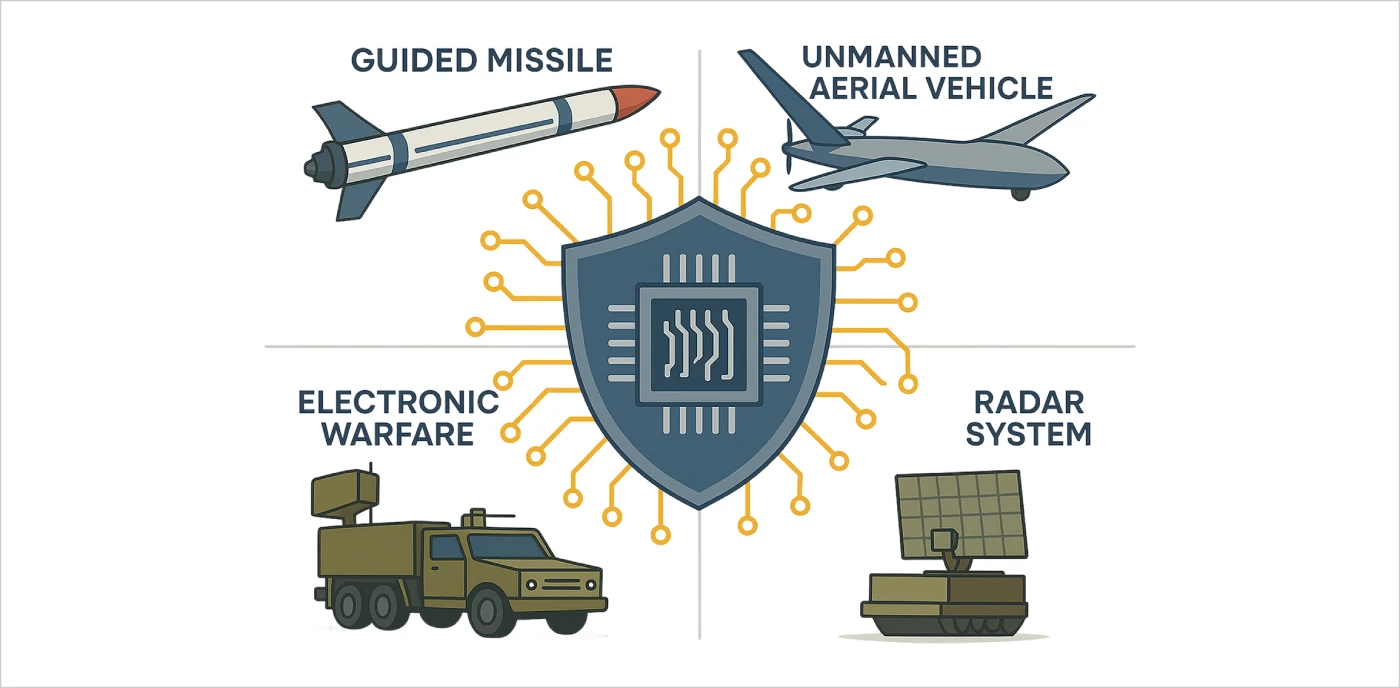
The shift in battlefield tactics has reduced civilian harm and damage. This is mainly due to precise, guided weapons powered by semiconductor-based integrated circuits (ICs) that enable smart targeting and real-time tracking. Semiconductors, which revolutionised smartphones and satellites, have also made weapons smarter, faster, and more accurate.
These ICs power guided missiles, radars, drones, and surveillance systems. They process large volumes of data for precise targeting, adaptive routing, and secure communication. Such electronics have moved warfare from blunt attacks to focused, strategic strikes.
At Orbit & Skyline, we enable these advancements by delivering end-to-end semiconductor FAB solutions for global FAB customers to support the development of advanced RF technologies, MEMS, and power devices critical for strategic applications.
Rise of Precision Warfare
Warfare has significantly transformed from the close-combat battles of the past to today’s reliance on unmanned systems like missiles and drones. A century ago, weapons such as tanks, rifles, and grenades, primarily mechanical and chemical systems, were designed for maximum destruction, often resulting in heavy casualties with little concern for unintended damage.
Modern armies avoid inaccurate and unguided weapons that can cause accidental damage and political problems, especially with the world watching closely. Such mistakes can harm their goals.
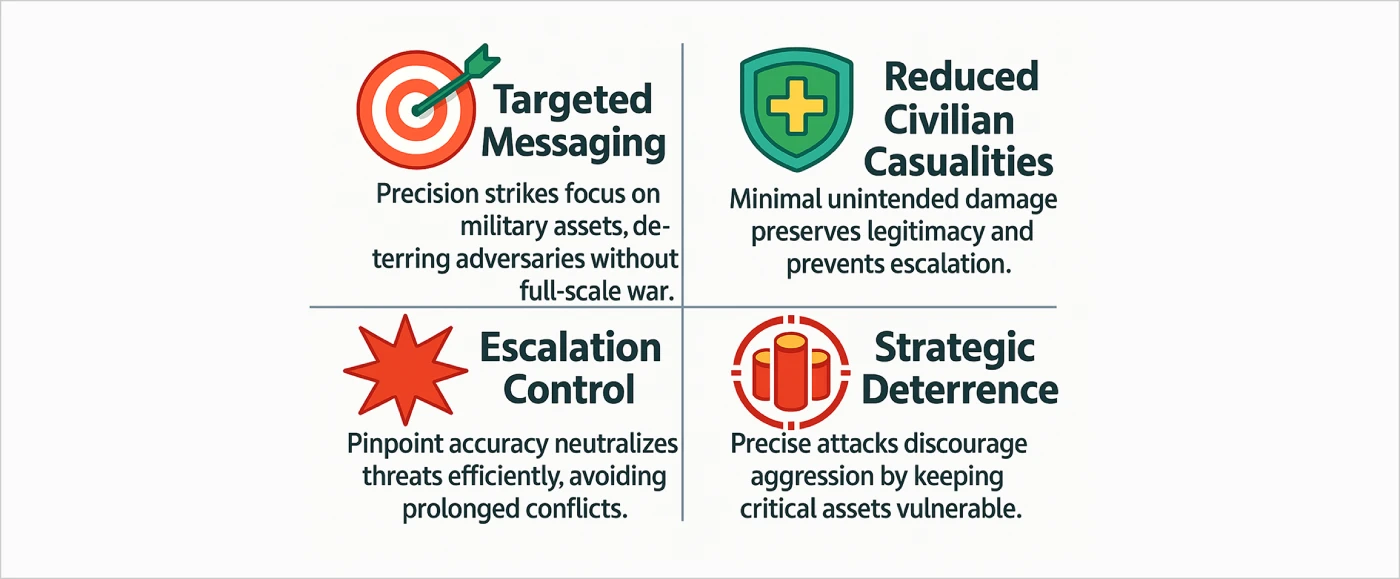
Today, nations prioritise precision and control in military operations through smart, guided weapons. These rely on semiconductor components for navigation, guidance, surveillance, and monitoring, enhancing effectiveness and enabling shorter, more focused missions. Precision weapons allow defence forces to launch targeted strikes with minimal unintended damage. They also help nations avoid full-scale conflict. This strategy provides several key advantages:
Semiconductor Technologies in Advanced Weapon Systems
Modern defence systems depend heavily on semiconductor technologies. It enhances precision, range, guidance, navigation, surveillance, and electronic warfare. Here are some examples of how various semiconductor technologies (Silicon, GaN, MEMS, FPGAs, Sensors, etc.) are used in modern weapon systems.
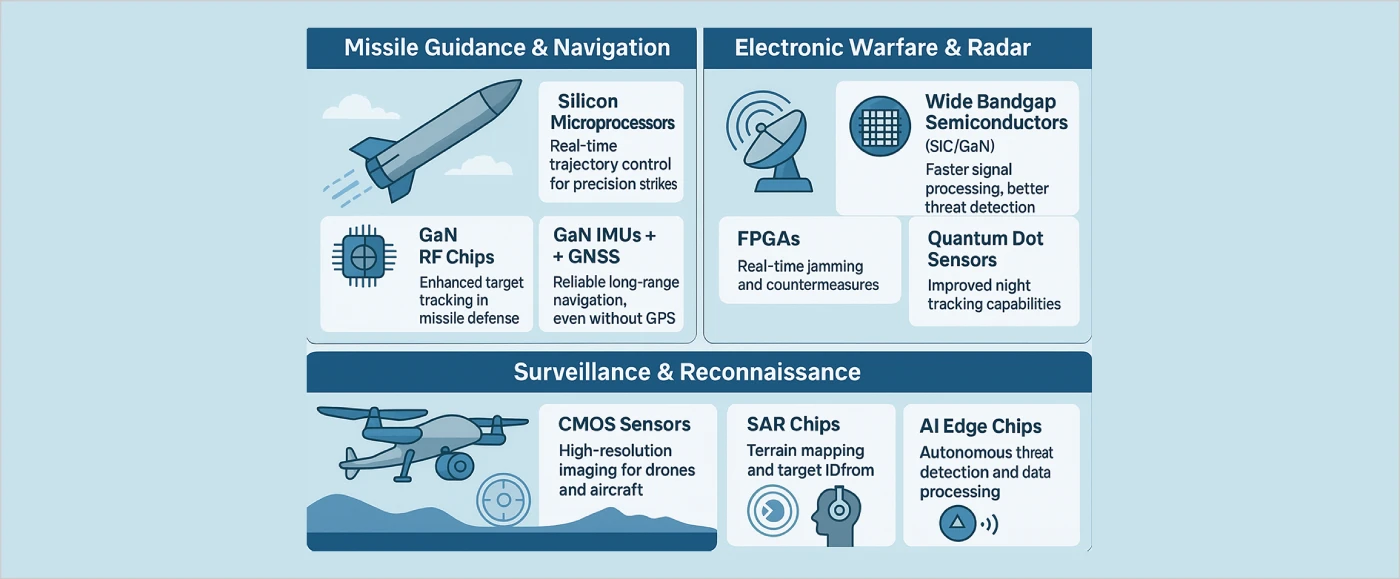
Electronics warfare and Radar: Electronic warfare (EW) and radar systems, built on different semiconductor technologies, form the key driver of battlefield dominance. Semiconductor manufacturers fabricate Integrated circuits (ICs) using technologies such as CMOS, GaN, GaAs, and SiGe, enabling operation across low-frequency digital domains and high-frequency bands from L-band to millimetre-wave.
These technologies support signal detection, response generation, and countermeasures. They also support fast RF transmission and real-time signal processing. This allows radar systems to respond quickly during combat. These technologies help militaries detect threats faster and improve battlefield awareness
RF Front-End Technologies:
Modern radar systems rely on several semiconductor layers working together. At the front end, GaN-based high electron mobility transistors (HEMTs) in monolithic microwave integrated circuits (MMICs) deliver high-power RF amplification with good thermal efficiency, key for long-range radar and jamming.
Signal Processing and Frequency Control: High-speed ADCs and DACs convert wideband radar signals for processing. Radiation-hardened FPGAs and DSP cores handle FFTs, beamforming, and adaptive filtering. PLL synthesisers and VCOs, using SiGe or modern CMOS, provide low-jitter, frequency-agile clocking critical for threat detection and deception.
Together, these semiconductor components form the backbone of radar and EW systems, delivering precision, speed, and resilience in modern electromagnetic warfare.
Guidance and Navigation
In modern missiles and drones, guidance and navigation rely heavily on semiconductor-based components that ensure precision and reliability even in challenging environments.
This allows missiles and drones to operate accurately even in signal-jammed environments.
Semiconductor Imaging Technologies: Electro-optical and night vision systems use CMOS and CCD image sensors. For thermal and FLIR imaging, infrared detectors made from materials like InGaAs, HgCdTe, and InSb are combined with special Readout ICs (ROICs). In radar systems, GaN HEMT chips are used in power amplifiers to send signals efficiently, while SiGe or pHEMT-based LNAs help in receiving weak signals clearly.
AI and Radar Signal Processing: High-speed ADCs and DACs built on CMOS or BiCMOS technologies convert radar signals, including those from Synthetic Aperture Radar (SAR), into digital form for further analysis. SAR provide clear images even at night or in bad weather. Systems use FPGAs, SoCs, and AI chips, often made with FinFET technology, to process this data quickly.
AI edge ICs make fast, low-power decisions on the spot. DRAM and SRAM store sensor data, while secure MCUs and RF transceivers enable encrypted, high-speed communication. Together, these semiconductor parts help satellites, aircraft, and drones deliver accurate, real-time battlefield information.
Tiny Chips, Big Defence
Semiconductors also serve as a shield for nations, not just for those using advanced weapons, but especially for those that develop them. While many countries can buy defence systems, only a few can design and manufacture the complex semiconductor ICs inside them.
These ICs are classified as commercial, military, or space-grade, with increasing reliability and performance demands. Military systems often operate in extreme conditions from -40°C to 150°C, requiring robust, fail-proof chips.
Various regulations and export controls restrict access to military-grade ICs. Hence, having a domestic, secure semiconductor manufacturing ecosystem is critical. Without it, countries risk supply-chain disruptions during strategic needs. These ICs function as sensory organs; eyes, ears, and brains of missiles, drones, and UAVs, and are essential for mission success.
A nation with precision-strike capabilities can deter adversaries from engaging in prolonged conflict, something seen very clearly in recent global conflicts. These semiconductor-driven systems form a “Silicon Shield,” reducing the impact of warfare on civilians and infrastructure. Compared to the World Wars, recent conflicts have caused far less large-scale damage.
With 15+ years of expertise and a global team of 600+ engineers, Orbit & Skyline is a trusted partner in the semiconductor industry. If you are looking for a semiconductor services and solution partner, reach out to us at hello@orbitskyline.com.

 Semiconductor FAB Solutions
 OEM Solutions