
Why Legacy Tools Still Matter in Today’s Supply Chains
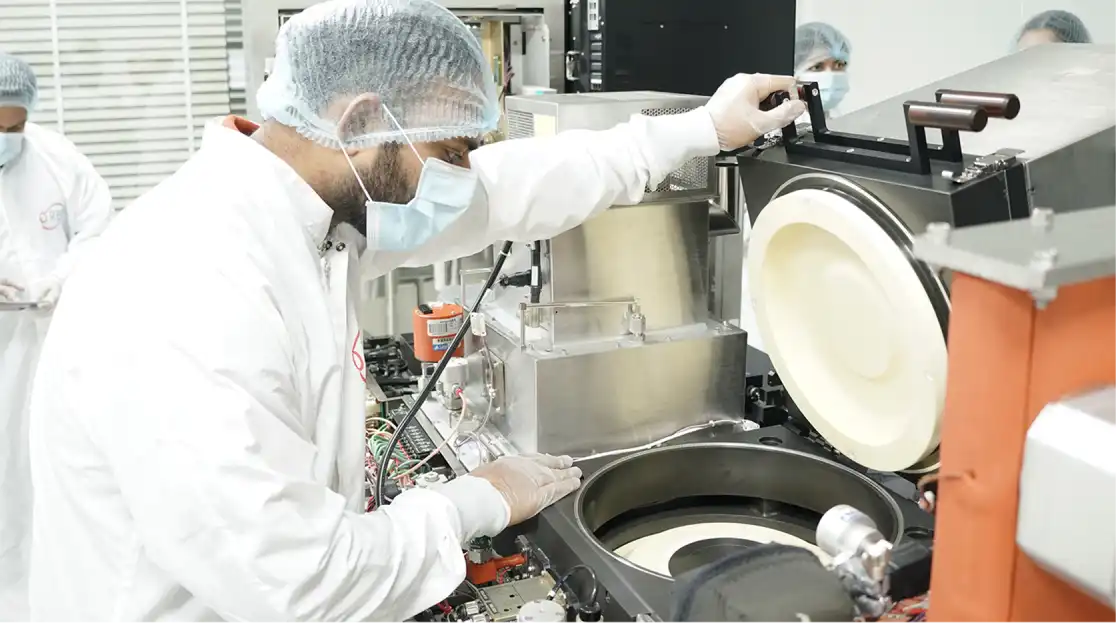
No matter how advanced an invention is, it still relies on tools from the past, a lot of which have been working devotedly for decades. Progress in the semiconductor industry is built in layers, with proven providing the stability and dependability that innovation depends on.
This blog examines the role of legacy tools in modern supply chain operations and why they remain indispensable to production. It also highlights how thoughtful legacy tool management through engineering expertise, strategic partnerships, and sustainable sourcing helps balance continuity today with readiness for tomorrow.
What are Legacy Tools in Semiconductor Manufacturing?
Legacy tools are previous-generation semiconductor manufacturing systems that continue to play a vital role in semiconductor supply chain resilience, specifically for mature technology nodes where assurance, cost-effectiveness, and consistent output are essential. Rather than being dismissed as outdated, these tools are actively managed and optimised to expand their life expectancy, maintain nonstop production, and avoid costly replacement with new equipment, a practice significant to legacy tool management.
“Legacy tools are the essential assets of an industry that never sleeps, powering production lines while the world races ahead toward the next breakthrough.”
Legacy tool management reinforces the value of pre-existing equipment by ensuring uninterrupted operations, reducing capital expenditure, minimising electronic waste and extending the life of existing systems. It includes dealing with challenges such as spare part obsolescence and maintaining a robust supply chain, allowing these tools to stay useful and efficient.
Orbit & Skyline’s approach to legacy tool management pulls together global engineering expertise, trusted OEM partnerships, and dedicated facilities to support thousands of tools around the world, assisting them in remaining part of everyday FAB operations as production needs emerge.
How do legacy tools remain critical to FAB’s operations?

At the core of every breakthrough lies the foundation that steadily moves the industry forward. Legacy tools are the silent contributors across FABs Facility Solutions worldwide, supported by deep engineering expertise, trusted OEM partnerships, and dedicated facilities. Although innovation draws attention, these tools continue to run production lines on an ongoing basis, making sure there is stability and progress as the semiconductor industry moves ahead.
As technology keeps moving forward, it raises some questions:
How do we balance the knowledge of legacy with the possibilities of the future?
The answer lies in recognising the value legacy systems hold: sustained performance, trustworthiness, and decades of hard-earned engineering insight, strengthened data, modern intelligence, and agile supply chain approaches. Instead of forcing interference, we grow thoughtfully, increasing the life of established tools through strategic partnerships, sustainable practices, and smarter sourcing.
It is about moving ahead without forgetting what holds us steady.
When legacy provides the foundation and innovation shapes the direction, the future does not erase the past; it carries it forward with proven reliability.
The Role of Legacy Tools in Modern Semiconductor Supply Chains
The Global supply chain today is no longer a straightforward process; it includes more than just moving parts from one location to another. It has developed into intelligent networks that are reactive, based on data, and globally interconnected. From predictive analytics to AI-assisted procurement, visibility and agility are the new currencies.
This transformation demands more than just tools or technology. It calls for a mindset shift from transactional operations to strategic orchestration.
Shorter lead times, frequent disruptions, and rising expectations now define the landscape. The challenge is not just about delivering faster; it is about thinking ahead, foreseeing shifts in demand, ensuring steadiness, and balancing efficiency with resilience.
Honouring the Layers of Legacy Tools in Modern Supply Chains
While the world celebrates next-generation FABs and automation, an equally important story unfolds in the background of preservation and consistency. Legacy tools, shaped by years of use, remain to matter. The operational robustness and consistency of Legacy tools expertise often define the backbone of stable production environments.
Keeping these systems running is not just about parts; it calls for deep technical knowledge, apart from that, it requires an understanding of their history, and the skill to bridge legacy engineering with today’s sourcing models.
Our teams have seen this balance play out repeatedly during complex tool transfers, supplier transitions, and component phase-outs. Every change requires meticulous planning, including aligning with regional partners, qualifying new vendors, and making sure that even the smallest parts align with what customers expect.
It is a quiet art that evolves without disruption.
Sustainability, Lifecycle Extension, and Responsible Sourcing
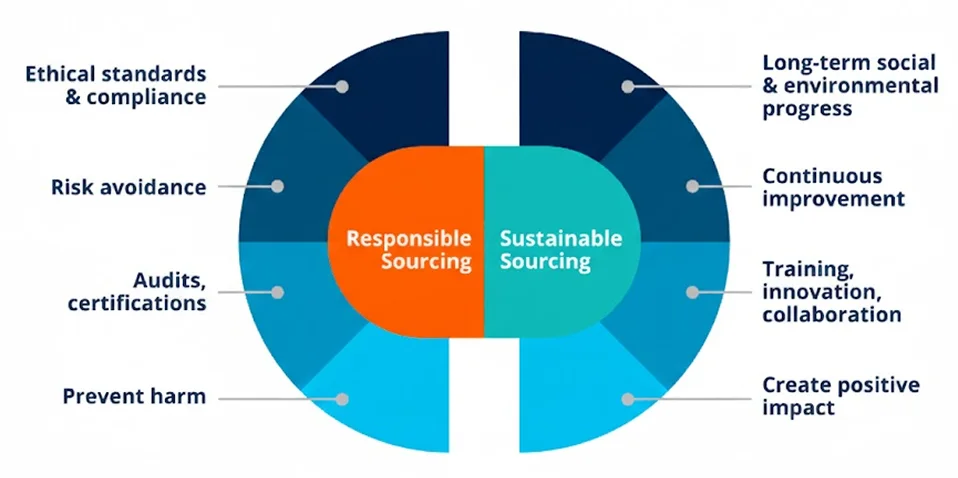
The next chapter of Global supply chain management won’t be written in terms of how fast we move materials, but how intelligently we move them. There is growing attention on sustainability, circularity, and spreading risk more thoughtfully. The focus is moving away from how much we can procure, toward how responsibly we can sustain.
Today, semiconductor demand often outpaces global capacity; even the smallest reform in planning, repair, or reuse makes a significant impact.
This is where legacy meets purpose.
By giving older tools longer, more efficient lifespans through smarter sourcing and strategic partnerships, companies serve both operational and environmental goals.
Bridging Legacy Systems with Next-Generation Supply Chains
The strength of a supply chain lies in its ability to adapt. The ecosystem globally becomes more unpredictable due to geopolitical shifts, technological dependencies, and speedy innovation cycles. In order to define resilience, it can be said that the ability to navigate from legacy structures to next-gen systems without losing stability.
At Orbit & Skyline, that is the journey we are embracing, sustaining the core of legacy systems while shaping a digitally intelligent future. Whether it is the transfer of iconic tools like INOVA and SCE 4XXX or creating clear insight at every stage across partners, every single initiative strengthens this bridge. Supply chain is not about starting from scratch; it is about continuing what works, adapting what does not, and linking it all with vision.
The Role of Legacy Tools in Supply Chain Excellence
Today Supply chain excellence is not measured in metrics alone; it is reflected in our ability to blend steadiness with reinvention. Progress does not always mean leaving behind the past; at times, it means moving through it strategically with respect for the core structures that made it possible.
Modern supply chains find their rhythm at the intersection of legacy and innovation, where they are stable enough to support today’s production and flexible enough to meet tomorrow’s demand.
With 15+ years of expertise and a global team of 600+ engineers, Orbit & Skyline is a trusted partner in the semiconductor industry. If you are looking for a semiconductor services and solution partner, reach out to us at hello@orbitskyline.com.

 Semiconductor FAB Solutions
 OEM Solutions